

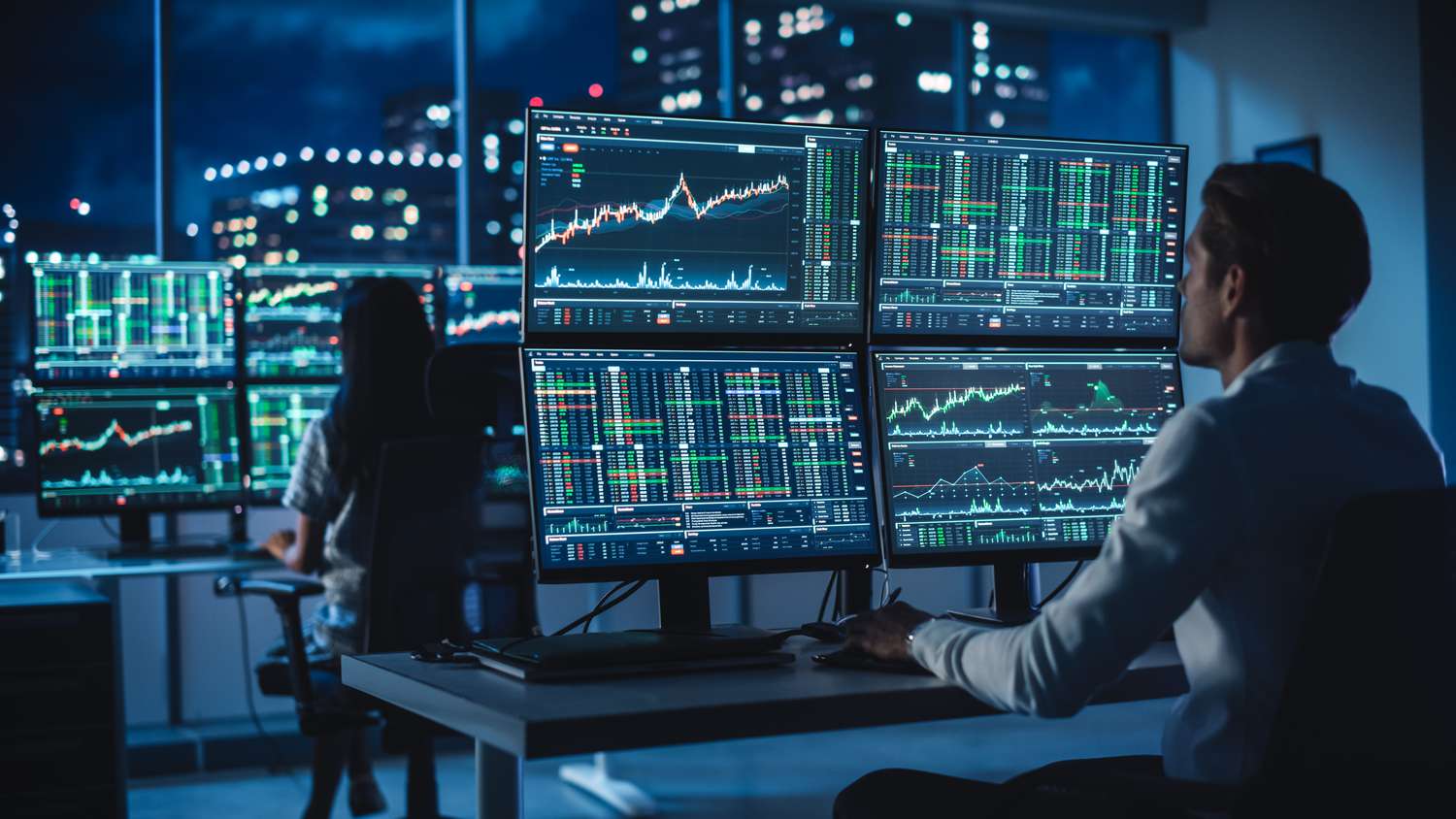
Trading is an intricate blend of art and science—a dynamic engagement with financial markets where subtlety, strategy, and discipline converge to unlock potential profits. As the global economic landscape evolves rapidly in 2025, trading demands heightened sophistication, embracing technological innovation alongside timeless principles. This comprehensive exploration presents a refined perspective on trading, crafted to guide both aspiring and seasoned traders toward mastery in today’s complex markets.
Understanding Trading: The Building Blocks of Market Engagement
At its essence, trading involves the tactical buying and selling of financial instruments—stocks, currencies, commodities, derivatives, and more—with the aim of capitalizing on price fluctuations. Unlike passive investing, trading often embraces shorter time horizons and actively managed positions, necessitating disciplined decision-making and robust strategy.
Key Foundations of Trading:
-
Asset Variety: From equities and forex to futures and options, each asset class offers unique characteristics and risk profiles.
-
Market Structures: Trading occurs via electronic platforms, exchanges, or over-the-counter venues, each with distinct liquidity and regulatory frameworks.
-
Time Horizons: Styles range from rapid intra-day activities to longer-term swing or position trading, accommodating different risk tolerances and lifestyles.
Artful Strategies for the Modern Trader: Navigating 2025’s Marketplace
Success in trading transcends mere speculation; it is grounded in deploying well-crafted strategies that align with individual risk appetite, market conditions, and goals. The breadth of tactics available today demands both strategic clarity and adaptability.
Prominent Trading Strategies in 2025:
-
Day Trading: Engaging in multiple trades within a single day to exploit minimal price moves. Requires rapid data interpretation, emotional fortitude, and strict risk controls.
-
Momentum Trading: Riding strong market trends by initiating positions aligned with prevailing price direction, ideally confirmed by volume and technical indicators.
-
Swing Trading: Balancing patience with timely action by capturing medium-term price movements over days or weeks using technical analysis of support and resistance levels.
-
Scalping: Executing numerous quick trades to gain from minuscule price changes, suited to highly disciplined traders with technological edge.
-
Position Trading: Holding assets over extended periods to benefit from fundamental and macroeconomic trends, demanding patience and comprehensive market insight.
-
Arbitrage: Leveraging transient price discrepancies between markets or instruments, necessitating speed and precision.
-
News Trading: Capitalizing on volatility from economic announcements or geopolitical events with swift execution and risk management.
Risk Management: The Trader’s Safeguard and Compass
Amidst the lure of profits, risk management remains the cornerstone of sustainable trading success. Effective traders cultivate resilience by controlling losses and preserving capital through well-defined protocols.
Vital Risk Management Essentials:
-
Position Sizing: Judiciously allocating capital per trade to mitigate exposure.
-
Stop-Loss Orders: Pre-setting exit points to cap potential downturns and protect gains.
-
Diversification: Spreading risk across assets and strategies to avoid undue concentration.
-
Emotional Discipline: Maintaining objectivity to prevent impulsive decisions driven by fear or greed.
-
Continuous Review: Assessing strategy performance and market conditions to refine approaches over time.
Technological Empowerment: The New Frontier in Trading
2025’s trading arena is significantly shaped by technological advances that enhance research, execution, and analysis, affording traders unprecedented tools to heighten effectiveness.
Key Technological Enhancements:
-
Artificial Intelligence and Machine Learning: Deploying algorithms to analyze vast data sets, detect patterns, and automate routine tasks, elevating precision and decision speed.
-
Algorithmic Trading: Programming computers to execute trades based on predefined criteria, facilitating high-frequency or quantitative strategies.
-
Real-Time Analytics and Alerts: Immediate access to market data and customizable notifications pave the way for agile responses.
-
Advanced Trading Platforms: User-friendly interfaces combine charting, backtesting, and integrated risk controls, democratizing professional-grade tools.
Cultivating Trading Excellence: Practices for Longevity and Growth
Trading mastery evolves through disciplined learning, reflective practice, and strategic refinement. This journey entails blending knowledge with patience and resilience.
Best Practices for Enduring Trading Success:
-
Develop a Clear Plan: Articulate entry and exit criteria, risk limits, and contingency measures in a written strategy.
-
Backtest and Simulate: Validate strategies against historical data to understand strengths and vulnerabilities.
-
Maintain a Trading Journal: Document trades, emotions, and outcomes for continual self-improvement.
-
Stay Informed: Regularly monitor macroeconomic trends, market-specific news, and technological innovations.
-
Engage with Communities: Learning from peers, mentors, and formal education nurtures deeper insight and support.
Conclusion: The Harmonious Pursuit of Trading Mastery
In 2025, trading stands not merely as a transactional endeavor but as a nuanced craft demanding balance, discipline, and intellect. By integrating strategic acumen with technological tools and robust risk management, traders can confidently navigate the market’s complexity. This synergy transforms trading from a challenge into an opportunity—crafting a pathway to financial empowerment and personal fulfillment amidst the ever-evolving rhythms of global markets.

Comments are closed.