

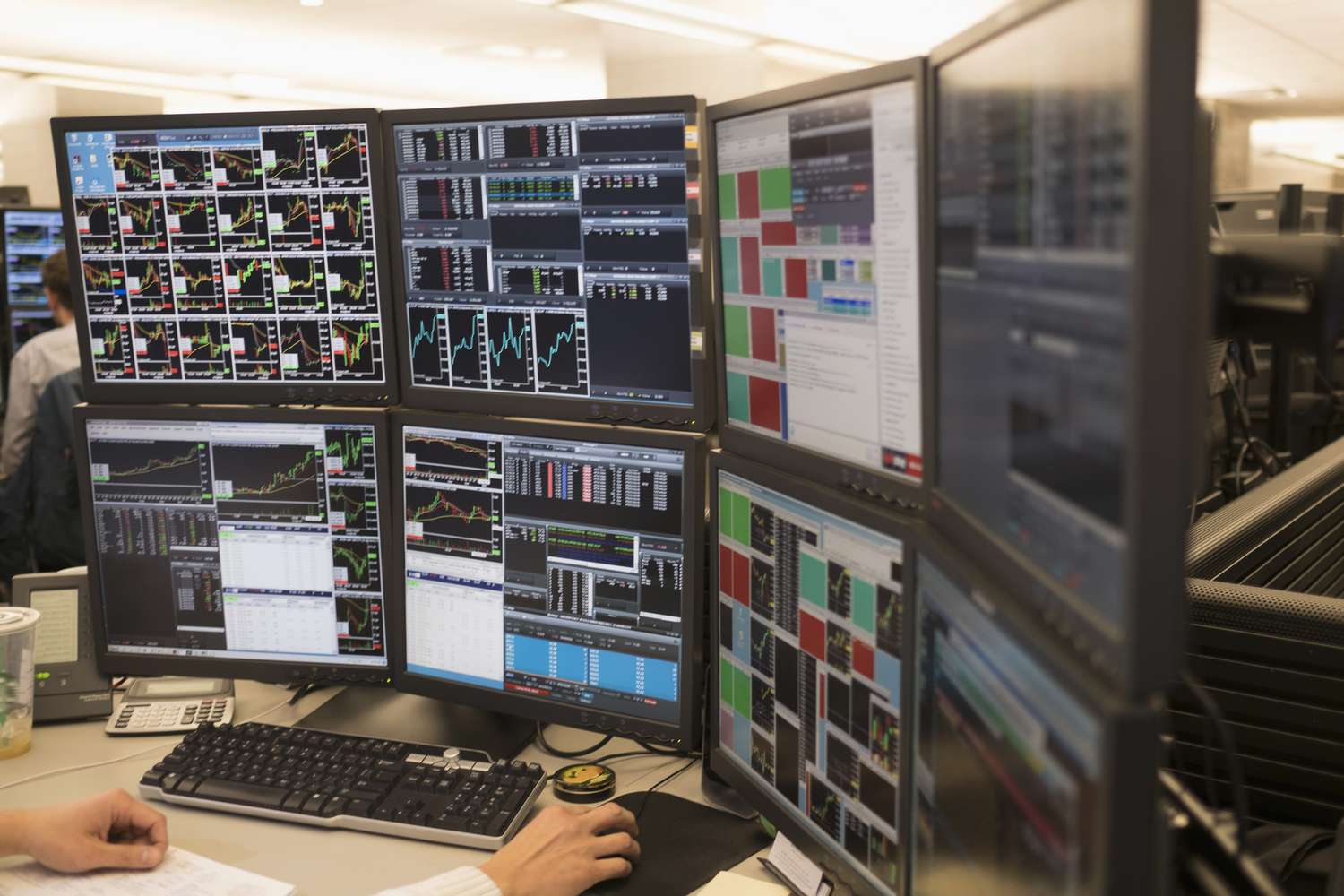
Trading is the act of buying and selling financial instruments with the goal of earning a profit from price movements. It plays a vital role in global financial markets, providing liquidity, price discovery, and opportunities for individuals and institutions alike. Whether you are exploring trading as a side skill or a serious profession, understanding its foundations is essential.
What Is Trading?
At its core, trading involves speculating on price changes rather than owning assets for long-term appreciation. Traders aim to capitalize on short- to medium-term market fluctuations across various instruments.
Commonly traded instruments include:
-
Stocks and equities
-
Forex (foreign exchange)
-
Commodities such as gold, oil, and agricultural products
-
Cryptocurrencies
-
Derivatives like options and futures
Unlike investing, which focuses on long-term value, trading emphasizes timing, strategy, and risk management.
Types of Trading Styles
Different traders adopt different approaches based on time commitment, risk tolerance, and market knowledge.
Day Trading
Day traders open and close positions within the same trading day. This style requires:
-
Constant market monitoring
-
Quick decision-making
-
Strong emotional discipline
Swing Trading
Swing trading focuses on capturing price movements over several days or weeks. It relies heavily on technical analysis and is suitable for those who cannot watch markets all day.
Scalping
Scalping involves making many small trades to profit from tiny price changes. It demands speed, precision, and low transaction costs.
Position Trading
Position traders hold trades for weeks or months, combining technical and fundamental analysis to follow broader market trends.
Popular Trading Markets
Each market has its own characteristics, risks, and opportunities.
Stock Market
Traders buy and sell shares of publicly listed companies, reacting to earnings, news, and market sentiment.
Forex Market
The forex market is the largest and most liquid in the world. It operates 24/5 and focuses on currency pairs such as EUR/USD or GBP/JPY.
Cryptocurrency Market
Crypto trading is known for high volatility and operates 24/7. While it offers significant opportunity, it also carries elevated risk.
Commodity Market
Commodities are influenced by supply-demand dynamics, geopolitics, and economic data, making them attractive for diversification.
Core Trading Strategies
Successful trading is rarely random. Traders rely on structured strategies to guide their decisions.
-
Trend following: Trading in the direction of the prevailing market trend
-
Breakout trading: Entering trades when price breaks key support or resistance levels
-
Range trading: Buying at support and selling at resistance in sideways markets
-
News-based trading: Taking positions based on economic announcements or events
A solid strategy is always backed by clear entry rules, exit points, and risk limits.
Risk Management in Trading
Risk management is what separates consistent traders from gamblers. Without it, even good strategies fail.
Key risk management principles include:
-
Never risking more than a small percentage of capital per trade
-
Using stop-loss orders to limit downside
-
Maintaining a favorable risk-to-reward ratio
-
Avoiding emotional overtrading
Preserving capital is more important than chasing profits.
Tools and Skills Every Trader Needs
Modern trading relies on both technology and discipline.
Essential tools and skills:
-
Trading platforms with real-time data
-
Charting software for technical analysis
-
A trading journal to track performance
-
Emotional control and patience
-
Continuous learning and market awareness
Consistency comes from refining both mindset and methodology over time.
Common Mistakes Traders Should Avoid
Many beginners struggle due to avoidable errors.
-
Trading without a plan
-
Ignoring risk management
-
Overleveraging positions
-
Letting emotions drive decisions
-
Expecting quick, guaranteed profits
Recognizing and correcting these habits early can dramatically improve long-term results.
Is Trading Right for You?
Trading is not a shortcut to wealth. It requires education, practice, and resilience. For those willing to treat it as a skill rather than a gamble, trading can become a rewarding intellectual and financial pursuit.
Frequently Asked Questions (FAQ)
1. How much money do I need to start trading?
The required capital depends on the market and strategy. Some markets allow starting with small amounts, but adequate capital improves risk management.
2. Can trading be a full-time career?
Yes, but it typically takes years of learning, practice, and consistency before trading can reliably replace a regular income.
3. Is trading risky?
All trading involves risk. However, disciplined strategies and proper risk management can significantly reduce potential losses.
4. Do I need advanced math skills to trade?
No advanced math is required, but basic arithmetic, probability understanding, and analytical thinking are helpful.
5. How long does it take to become a profitable trader?
There is no fixed timeline. Many traders take months or years to achieve consistent profitability.
6. What is the difference between trading and investing?
Trading focuses on short-term price movements, while investing aims for long-term growth based on asset value.
7. Can beginners learn trading on their own?
Yes, with structured learning, practice accounts, and disciplined study, self-learning is possible and common among traders.

Comments are closed.